Unwanted Pallets Near Me: How Dublin Businesses Can Get Pallets Collected Quickly

Unused pallets can become a problem faster than many businesses expect. They take up floor space, block access routes, and complicate daily operations. For busy sites, delayed removal can also create avoidable handling work. That is why many businesses search for unwanted pallets near me when storage areas become crowded.
A reliable collection process should solve the problem without creating another one. Businesses need clear timing, simple preparation, and suitable collection arrangements. The goal is straightforward. Remove unwanted pallets safely, quickly, and with minimal disruption.
Why Unwanted Pallets Build Up So Quickly
Pallets often arrive with deliveries faster than businesses can reuse them. Some remain suitable for storage or internal movement. Others become surplus because sizes, grades, or conditions no longer match operations.
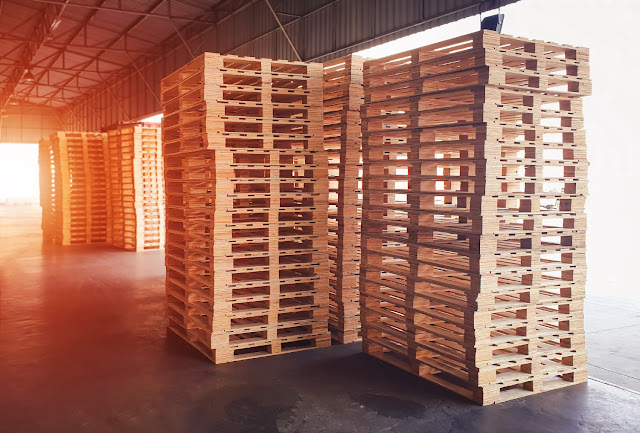
Over time, unwanted pallets can occupy valuable loading and warehouse space. They may also interfere with access to stock or equipment. This makes regular removal part of good site management.
Businesses should review pallet storage before the area becomes difficult to control. Early action makes collection easier and reduces unnecessary handling.
What Types of Pallets Can Be Collected?
Most businesses hold a mixture of pallet types. These can include standard wooden pallets, Euro pallets, light pallets, and damaged units. Some sites may also have mixed loads from different suppliers.
Before arranging collection, separate clearly reusable pallets from heavily damaged ones. This helps the collection process move faster. It also makes quantities easier to confirm.
If you have unwanted pallets, provide accurate information before collection. Share the estimated number, general condition, and collection location. Clear details help avoid delays on the day.
How to Prepare Pallets for Collection
Preparation should be simple and practical. Stack pallets neatly where possible. Keep them away from emergency exits, pedestrian routes, and active loading zones.
Avoid unstable stacks that may collapse during handling. Remove loose packaging, straps, or unrelated waste from the pallet area. This keeps collection safer and more efficient.
Access also matters. Collection vehicles need enough room to enter and leave safely. Confirm any gate restrictions, loading times, or site rules before collection.
Businesses with regular unwanted pallets should create a fixed collection point. This reduces daily movement and makes future collections easier to manage.
One-Off or Regular Pallet Collection?
A one-off collection suits businesses with occasional surplus stock. It can also help after warehouse clearances, seasonal deliveries, or site reorganisations.
Regular collection is better for businesses receiving pallets every week. It prevents large backlogs and keeps working areas more organised. Warehouses, retailers, manufacturers, and distribution sites often benefit from scheduled collections.
The right option depends on pallet volume and delivery frequency. Track how quickly unwanted pallets accumulate before choosing a schedule. This gives a clearer picture of your actual collection needs.
What Happens After Pallets Are Collected?
Collected pallets should be assessed based on condition and potential reuse. Reusable units may return to circulation after checking. Suitable damaged pallets may be repaired before further use.
Pallets that cannot be reused may require responsible recycling or material recovery. This approach reduces unnecessary waste and supports better resource use.
For businesses, the main benefit is simpler site management. Removing unwanted pallets creates space and reduces repeated internal handling.
How Quickly Can Collection Be Arranged?
Collection timing depends on pallet quantity, location, access, and current scheduling. Providing complete information usually speeds up the booking process.
When arranging local pallet removal, businesses should focus on practical service details. Check collection coverage, accepted pallet types, scheduling options, and site access requirements.
Avoid waiting until pallets block important working areas. Arrange collection when the storage area starts affecting daily operations.
Choosing the Right Pallet Collection Service
A useful collection service should be clear about what it accepts. It should also explain how businesses should prepare pallets before collection.
Look for straightforward communication and realistic collection arrangements. Local knowledge can also help with access, timing, and commercial site requirements.
If unwanted pallets are affecting your Dublin site, plan removal before congestion increases. A well-managed collection keeps valuable space available for productive work.
C&C Pallet Services can help businesses arrange practical pallet collections across Dublin. Share your pallet quantity, condition, and access details when requesting a collection. Clear information helps create a smoother booking and collection process.


Comments
Post a Comment